
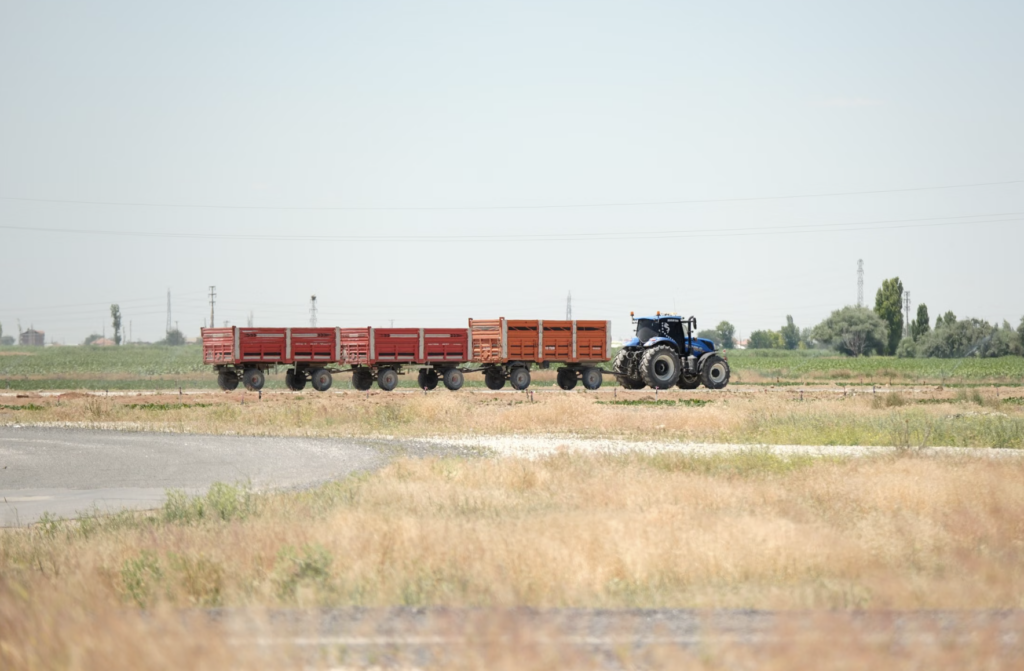
If you have ever tried to finance a trailer the same way you financed the truck that tows it, you have probably noticed the process does not run as smoothly. Many transport operators and fleet managers assume trailer finance Australia works on the same terms as truck finance, only to find lenders ask more questions, price the deal differently, or hesitate altogether. There is a reason for that gap, and understanding it puts you in a much stronger position the next time you need to add a trailer to your fleet.
Visit our services page to see the full range of transport and equipment finance solutions we offer.
Why Lenders Treat Trailers Differently to Prime Movers
A prime mover has an engine, a resale market, and a fairly predictable depreciation curve that lenders understand well. A trailer is a different asset class altogether. It has no engine, its value depends heavily on condition and configuration, and its resale market is thinner and more specialised. Lenders assess risk based on how easily they could recover their position if a loan defaulted, and a harder to resell asset naturally carries a different risk profile. That does not mean trailers are unfinanceable. It means the finance needs to be structured with that difference in mind, rather than treated as a smaller version of a truck loan.
Refrigerated, Flatbed or Drop-Side: How Trailer Type Shapes Your Rate
Not all trailers are assessed equally. A refrigerated trailer carries additional value in its refrigeration unit but also additional maintenance risk, since a failed compressor can significantly affect resale value. A flatbed trailer is comparatively simple, with fewer moving parts to worry about and a broader pool of buyers if resale becomes necessary. A drop-side or tipper trailer sits somewhere in between, with value that depends on the condition of hydraulics and body wear. Lenders factor all of this into pricing, so two operators financing a trailer of the same age and price can be offered different rates purely because of type. Knowing this in advance means you can present your application in a way that speaks directly to the trailer’s specific value drivers.
What Lenders Actually Look At When You Apply for Semi Trailer Finance
Beyond the asset itself, lenders look at how the trailer fits your operation. A semi trailer purchased to fulfil a signed freight contract is a very different proposition to one bought speculatively ahead of expected work. Lenders want to see that the trailer has a clear purpose, that it pairs with an existing or planned prime mover, and that your business has the cash flow and contract history to support the repayments. Documentation that ties the trailer to a specific use case, whether that is a new client contract or a replacement for an ageing asset nearing the end of its working life, gives lenders more confidence than a generic application.
Trailer Age, Working Life and Why It Matters to Your Lender
Trailers are built to last, often well beyond the working life of the prime movers that tow them. That longevity is good for your business but complicates how lenders assess age and depreciation. A ten year old trailer might still have a decade of useful work left in it, provided it has been maintained properly, while a truck of the same age is usually closer to the end of its commercial life. Lenders who do not specialise in transport assets sometimes apply generic depreciation assumptions that undervalue a well maintained trailer, which is one reason working with a broker who understands trailer working life can materially change the terms on offer.
Bundling Trailer and Prime Mover Finance Into One Deal
One practical way operators improve their trailer finance outcomes is by bundling the trailer and its prime mover into a single facility, particularly when both are being acquired around the same time. A combined application gives the lender a fuller picture of how the assets work together and can simplify repayments into one schedule rather than two. It can also improve pricing, since the lender is financing a complete operating unit rather than an isolated asset with a narrower resale market. This approach will not suit every situation, especially where a trailer is being added to an existing fleet, but it is worth raising with your broker whenever a purchase includes both asset types.
Getting the Right Trailer Loans Australia Operators Actually Need
The most reliable path through the trailer finance process is working with a broker who treats trailers as their own asset class rather than an afterthought to truck lending. That means presenting trailer type, working life and business use case clearly from the outset, matching the application to lenders who genuinely understand trailer assets, and structuring repayments around your freight income rather than a generic template. Whether you are adding a refrigerated trailer to service a new contract or replacing a drop-side unit that has reached the end of its useful life, the right structure makes Australian trailer loans operators can rely on entirely achievable.
Trailers may be a harder asset to finance than trucks, but with the right broker and the right structure behind your application, that difficulty does not need to slow your fleet down. Explore our full range of solutions or learn more about our approach to see how we help transport and logistics businesses finance every asset in their fleet, trailers included.