
How Equipment Finance Works in Australia
Understand how equipment finance structures work and how businesses use them to acquire essential assets.
- Author: Bolt Funding
- Written on:
- Read: 2 min
Introduction
Equipment finance allows Australian businesses to acquire essential machinery, vehicles and equipment without paying the full purchase price upfront. Whether you’re expanding your fleet, upgrading machinery or investing in new technology, equipment finance can help preserve working capital while supporting business growth.
Understanding Equipment Finance
Why Businesses Use Equipment Finance
Purchasing equipment outright can place significant pressure on cash flow. Equipment finance provides businesses with access to the assets they need while spreading repayments over an agreed term.
This approach allows businesses to maintain liquidity, invest in growth opportunities and keep operations running smoothly without tying up valuable capital.
Benefits Include
- Preserve working capital
- Manage cash flow more effectively
- Acquire new or used equipment
- Flexible repayment structures
- Potential tax advantages
- Faster access to essential assets
What Can Be Financed?
Equipment finance can be used across a wide range of industries and asset types.
Common Assets Include
Trucks and Commercial Vehicles
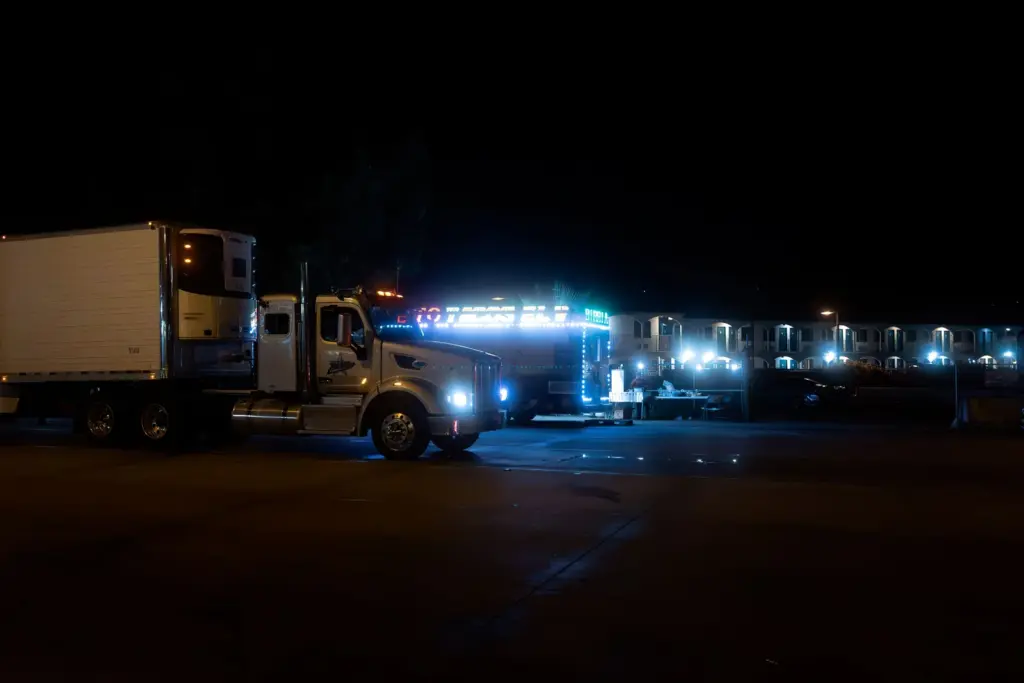
Prime movers, rigid trucks, delivery vehicles and transport fleets.
Trailers
Flatbeds, refrigerated trailers and specialised transport equipment.
Heavy Machinery
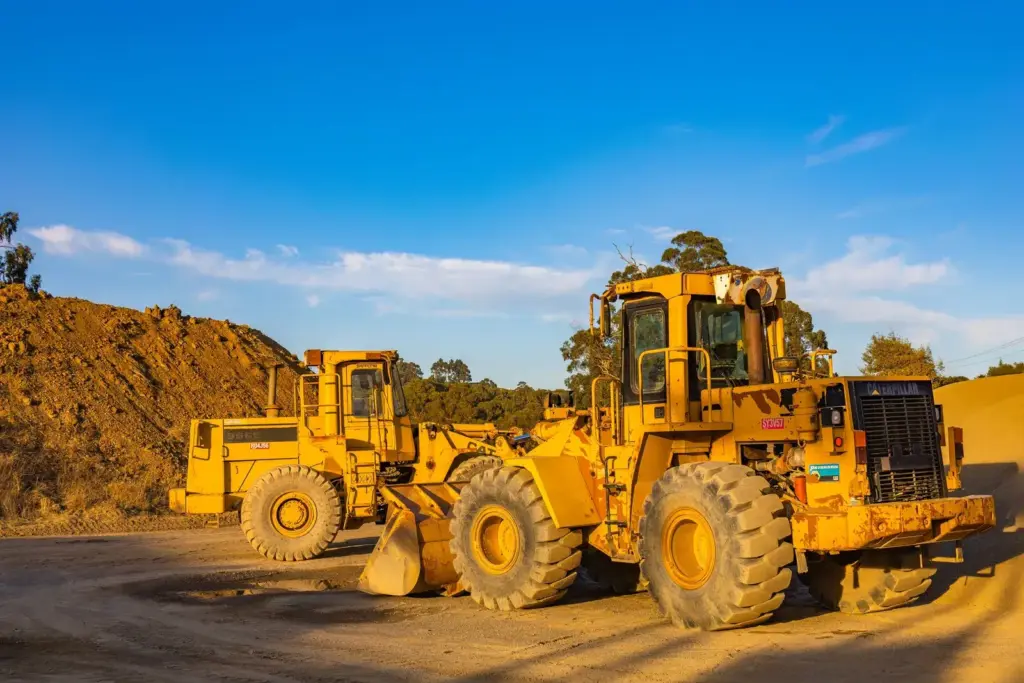
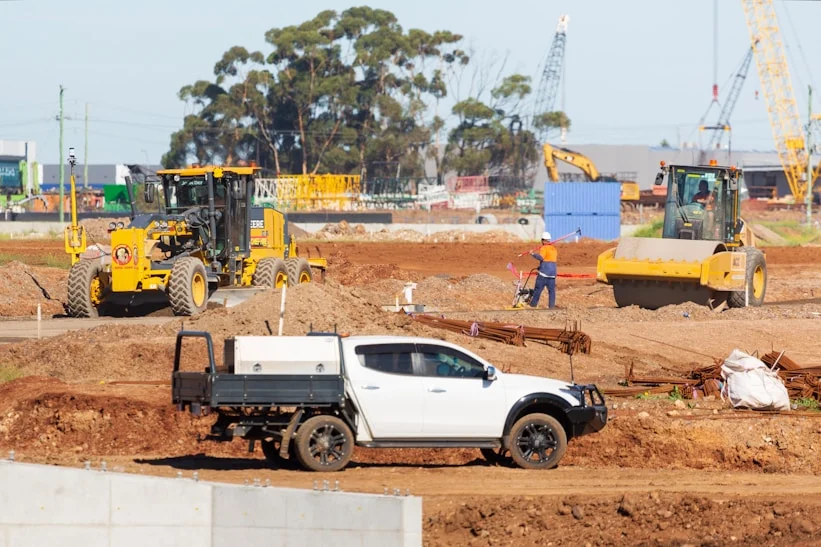
Machinery used in construction, mining and industrial operations.
Earthmoving Equipment
Excavators, bulldozers, loaders and skid steers.
Agricultural Equipment
Tractors, harvesters and other farming machinery.
Manufacturing Equipment
Production machinery and specialised industrial assets.
Common Types of Equipment Finance
Equipment finance is available in several structures, each designed to suit different business needs and ownership preferences. A chattel mortgage is one of the most common options, where the business takes ownership of the asset from the start while the lender holds a security interest until the loan is repaid.
A finance lease operates differently, with the lender purchasing the asset and leasing it to the business for an agreed term. At the end of the lease, businesses may have the option to purchase or upgrade the equipment depending on their requirements.
Commercial hire purchase allows businesses to pay for the asset over time, with ownership transferring once the final payment is made. This structure is often chosen for its simplicity and predictable repayment schedule.
Each structure offers different advantages, and the right option depends on factors such as cash flow, tax considerations and long-term asset strategy.
Key Takeaways
Equipment finance provides Australian businesses with a practical way to acquire essential assets while maintaining financial flexibility. By spreading costs over time, businesses can preserve working capital, improve cash flow and continue investing in growth opportunities.
With a range of finance structures available, businesses can choose solutions that align with their operational needs and long-term strategy. Whether purchasing trucks, machinery or specialised equipment, equipment finance remains a key tool for supporting business efficiency and expansion.