
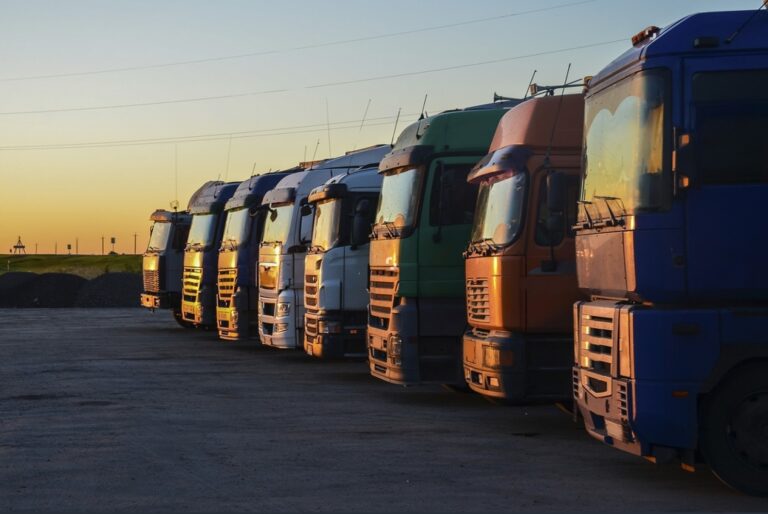
Every tradie knows the feeling. Your excavator is eating more in repairs than it ever earns. Your ageing truck keeps you up at night. The jobs are there, the work is lined up, but upgrading your fleet feels like financial Russian roulette. That tension between keeping the tools current and keeping the books healthy is something almost every subcontractor grapples with at some point.
The good news is that vehicle and equipment finance exists precisely for this reason. When structured properly, finance commercial equipment strategies let you access the gear you need without gutting the cash reserves that keep your business alive between invoices. This guide walks you through the smartest ways to approach machinery upgrades as a subcontractor in Australia.
Why Cash Flow Is the Real Risk When Upgrading Machinery
Subcontracting is a cash flow intensive game. Payments from head contractors can take 30, 60, sometimes 90 days to arrive, yet your wages, fuel bills, insurance, and supplier invoices do not wait. When you drop a large lump sum on a new piece of plant or machinery, you are essentially draining the buffer that protects you from those payment gaps.
This is what makes subcontractor cash flow management so critical. The machinery upgrade itself might be completely justified. The return on investment could be there, the job pipeline could be solid, but if the purchase wipes out your operating cash, you may find yourself unable to pay workers, cover fuel, or take on new contracts while you wait for the revenue to flow through.
The smarter move is to match the cost of the asset to the life of the asset. A piece of heavy equipment that earns you money over five years should ideally be paid for over a similar period, spreading the cost across the revenue it generates. That is the fundamental logic behind asset finance for small businesses, and it is the reason so many trade businesses in Australia use it as a standard tool rather than a last resort.
If you would like to understand what finance solutions are available for your situation, the team at Bolt Funding Services is a solid starting point.
What Is Commercial Equipment Finance and How Does It Work?
Finance commercial equipment solutions are loan or lease products designed specifically to fund business assets rather than everyday operating expenses. Unlike a standard business loan that puts cash in your account, equipment finance is typically tied directly to the asset being purchased. The asset itself often serves as security, which means the lender carries some of the risk and you can generally access better terms than you would with unsecured borrowing.
The most common structures in Australia include:
- Chattel mortgage: You own the asset from day one, the lender takes a mortgage over it as security. You can claim depreciation and the GST upfront, which makes this popular for businesses on the accruals method of accounting.
- Finance lease: The lender owns the asset, you use it and pay regular rentals. Ownership transfers at the end of the term, usually through a final residual payment.
- Operating lease: Similar to a finance lease but designed for shorter terms. The residual value risk sits with the lender, meaning you are not on the hook if the asset is worth less than expected at the end of the agreement.
- Hire purchase: You hire the asset with an option to purchase at the end of the term. Title passes once the final payment is made.
Each structure has different tax and accounting implications, so it is worth talking through the options with a finance broker who understands trade businesses. The right structure depends on your business size, how you account for GST, and what you want to do with the asset long term.
Vehicle and Equipment Finance Options for Subcontractors
Vehicle and equipment finance for subcontractors covers a wide range of assets. Think excavators, skid steers, tipping trucks, elevated work platforms, trailers, compressors, and the full range of commercial vehicles used on site every day.
In Australia, machinery upgrade financing and equipment finance for trades are well established product categories. Lenders understand that a plumber’s van or a concreter’s mixer truck is not a lifestyle purchase but a revenue generating asset, and they price their products accordingly.
For subcontractors specifically, a few features are worth looking out for:
- Flexible repayment schedules: Some lenders offer seasonal repayment structures, which can suit subcontractors whose work volume fluctuates across the year.
- Balloon or residual payments: These reduce your regular repayments by deferring a lump sum to the end of the term. They work well when you expect strong cash flow in the future or plan to refinance.
- No or low deposit options: Preserving your cash at acquisition is often the whole point. A number of lenders offer 100 per cent financing on eligible assets, meaning you keep your working capital intact.
- Quick approval processes: When a job opportunity appears and you need a machine fast, turnaround time matters. Many specialist lenders now offer same or next day approvals for well qualified applicants.
For subcontractors dealing with cash flow and capital equipment decisions regularly, having a finance broker in your corner who already understands the commercial vehicle loan subcontractor landscape can save considerable time and energy.
How Business Truck Loans Can Keep Your Jobs Moving
Commercial vehicles are the backbone of most trade businesses. Whether you are running a flat top for materials, a tipper for spoil removal, or a service van fitted out with your tools and parts, the vehicle is often the single most visible asset in your operation.
Business truck loans are a specific form of vehicle and equipment finance designed for exactly these assets. They function like a chattel mortgage in most cases, meaning you own the vehicle from the start, can claim the GST in your next BAS, and can depreciate the asset under the standard tax rules.
What makes business truck loans particularly useful for subcontractors is the flexibility around vehicle age and usage. A number of lenders in Australia will finance used commercial vehicles, which can be a significant advantage when you want the capability of a larger or more capable vehicle without the price tag of brand new.
Heavy equipment loan Australia products often sit alongside truck finance under the same credit assessment process, which means a broker can package both a new excavator and a support vehicle into a single application, streamlining the paperwork and keeping your focus on the job site rather than the bank.
For personalised advice on structuring a vehicle or equipment finance package, reach out directly.
How to Choose the Right Finance Structure for Your Trade
Choosing between a chattel mortgage, finance lease, hire purchase, or operating lease is not purely about the monthly repayment figure. The right structure depends on a combination of factors that are unique to your business.
GST registration method: If your business accounts for GST on a cash basis, a chattel mortgage may not offer the full upfront GST benefit. Your accountant or broker should advise on this before you sign anything.
How long you plan to keep the asset: Trade business equipment leasing makes more sense for assets you will want to upgrade in three to four years, while ownership structures suit assets you intend to run for a decade.
Your current tax position: If you are in a strong profit year, maximising depreciation claims through a chattel mortgage might be advantageous. If cash flow is tight, a lease structure with fully deductible repayments might suit better.
Residual value risk: Some assets, like specialised machinery, hold value well. Others depreciate quickly. An operating lease shifts residual risk to the lender, while ownership structures leave it with you.
Lender requirements: Your credit history, ABN age, and financial documentation will affect which lenders and structures are available to you. A broker can identify the best fit without you having to approach multiple lenders individually.
There is no universal right answer, which is exactly why finance commercial equipment decisions deserve careful thought rather than a quick sign and send. Take the time to model out the numbers with someone who knows the industry.
Common Mistakes Subcontractors Make When Financing Equipment
Even experienced operators make avoidable errors when financing plant and equipment. Here are the ones that come up most often:
- Focusing only on the monthly repayment: A low repayment is appealing, but it might come with a large balloon at the end, a long term that means you are still paying for an asset past its useful life, or fees that add up significantly over time. Look at the total cost of the finance, not just the monthly figure.
- Financing assets that should be rented: Not every piece of equipment warrants a finance agreement. If you only need a particular machine for one or two jobs per year, hiring it on demand is almost always more cost effective. Finance makes sense for core assets you use constantly.
- Ignoring the tax implications: The structure of your finance agreement directly affects your tax position. A decision that saves you money on repayments might cost you more at tax time. Always loop in your accountant before finalising a commercial vehicle loan or subcontractor equipment deal.
- Waiting until you are desperate: Approaching a lender when your cash flow is already under pressure puts you in a weak negotiating position. The best finance terms go to businesses that demonstrate stability. If you can see an upgrade coming, start the conversation early.
- Not using a specialist broker: A general bank loan officer may not understand the seasonal nature of subcontracting work, the value of trade specific assets, or the right lender for your circumstances. A broker who works specifically in asset finance for small businesses and commercial equipment will almost always find better terms and a smoother process.
Upgrading your machinery does not have to mean choosing between better tools and a healthy cash flow. With the right vehicle and equipment finance structure in place, you can grow your fleet in line with your business, keep your working capital intact, and protect the operational buffer that keeps your jobs moving.
The key is getting the right advice early, choosing a structure that fits your trade and your tax position, and working with a broker who understands what your business actually looks like on the ground.
Explore the full range of finance commercial equipment solutions at Bolt Funding, or get in touch with the team to talk through what vehicle and equipment finance could look like for your business.